Bookshelves are for more than just books. They're essentially a display case for your interests. Yes, in libraries we expect them to be filled to the brim with books, organized alphabetically and by genre. But the good news: this is your home, not a library.
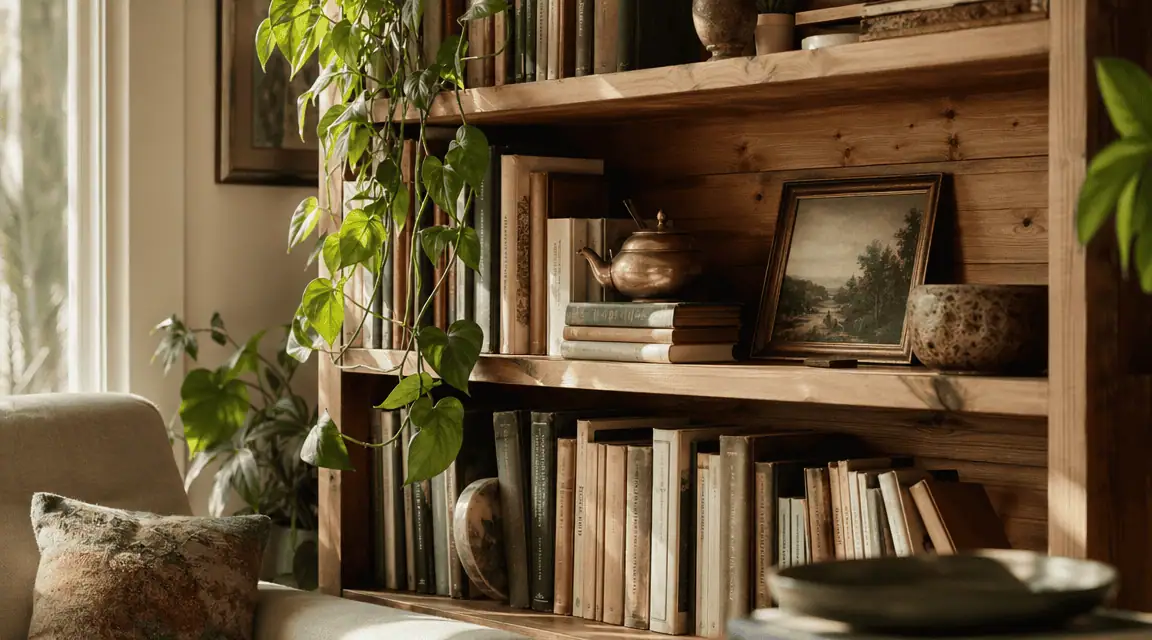
Or maybe you lean the other way, and have tried to give your bookshelf a lived-in look, but can't get it quite right. In this guide, we will offer suggestions to help you achieve your bookshelf dreams.
1. Follow the 80/20 Rule for Books and Objects
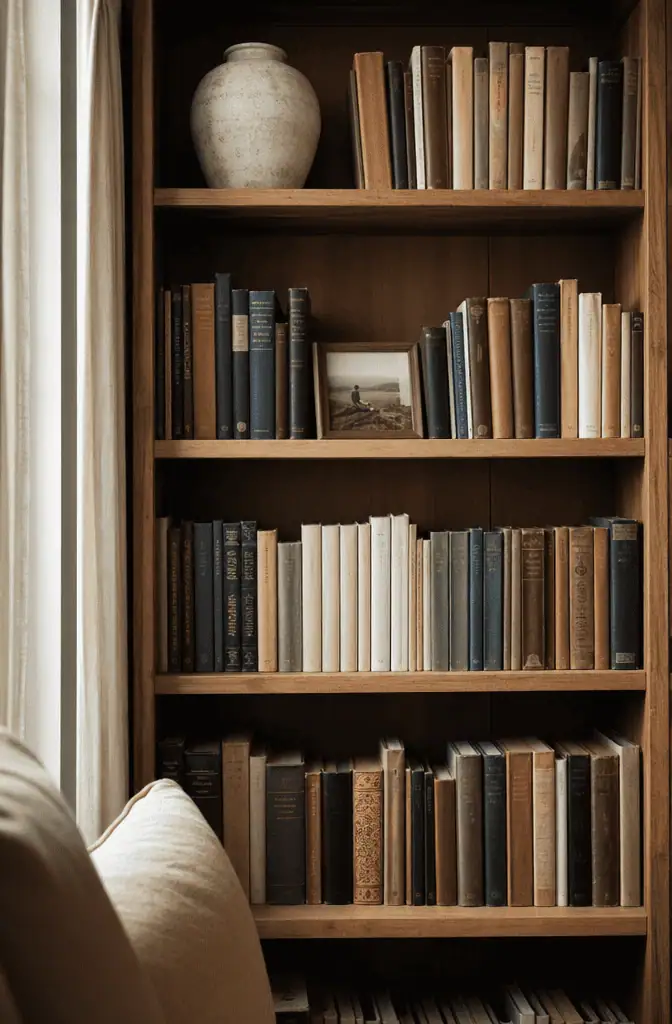
If we had to put a number on it, we would suggest an 80/20 rule. That is, 80% books and 20% decor. This ratio lets you still store lots of books, but it ensures you aren't going too heavy on the bookstore feel. It also means that you're not going too far on the decor side either, since too much on a shelf can resemble a gift shop. Finding that balance is key, but it doesn't have to be hard. Find this balance, and you're on your way.
2. Break Up the Vertical Lines
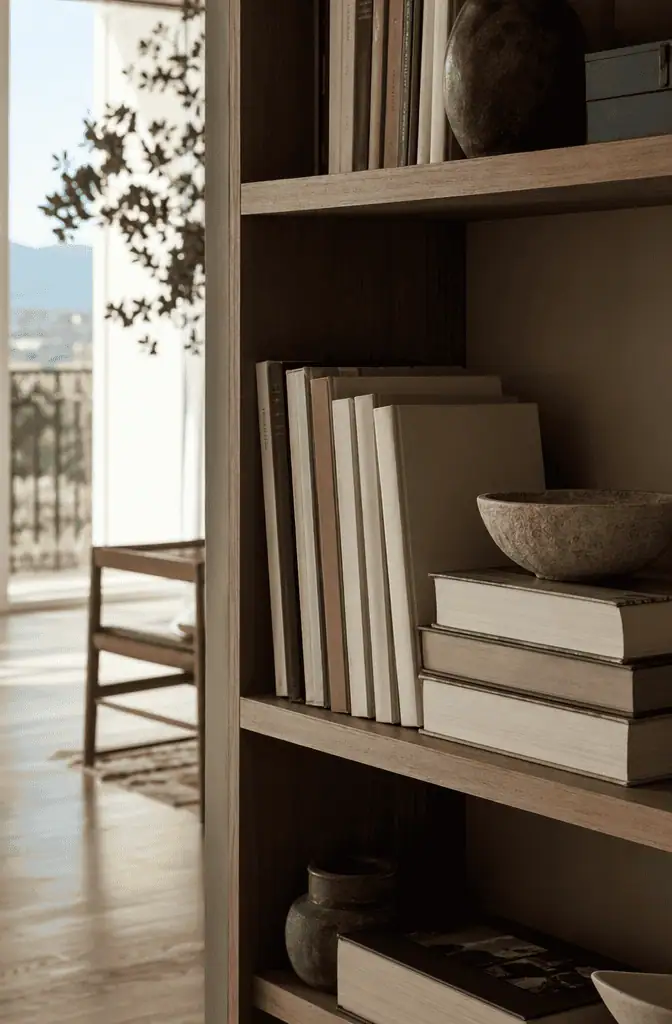
Let your eye move freely. A continuous line of vertical books can be repetitive and heavy, so break up the vertical space by alternating vertical and horizontal stacks. You can add more dimension by varying how many books you add to a stack.
Maybe there are two books upright, three stacked horizontally, and so on, changing it up as you go. This way, your arrangement is more dynamic and interesting.
3. Leave Intentional Breathing Room
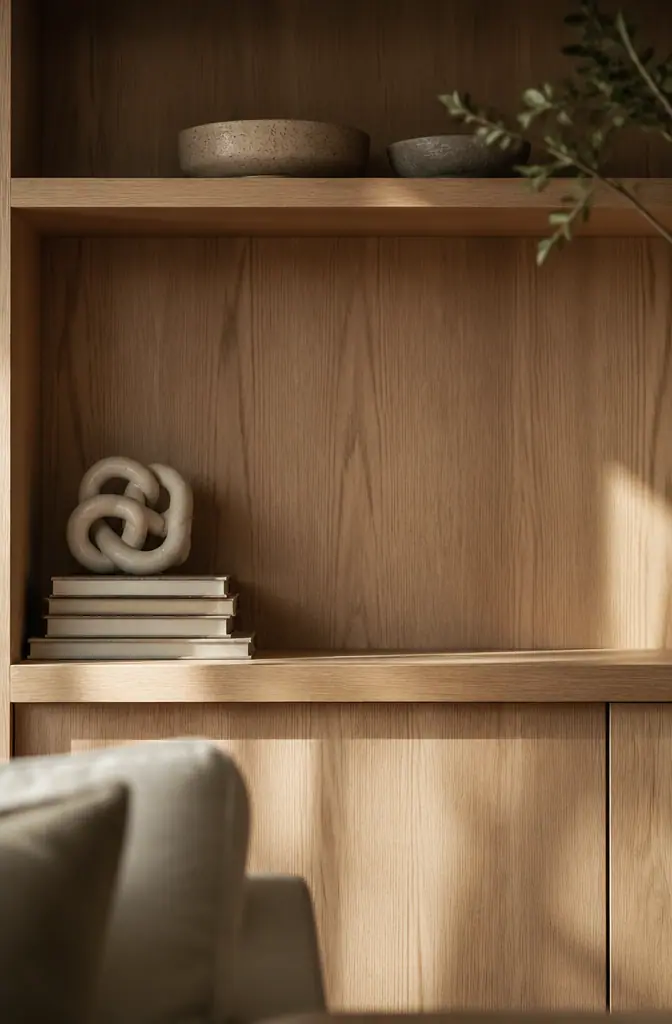
Let your things breathe. Be intentional about leaving negative space. The space you leave empty is just as important as the space you fill. If it's packed too tightly, it creates a sense of overwhelm and anxiety, and too many objects in one area create visual heaviness.
To mitigate this, leave spaces empty on purpose. Let the backdrop be part of the display. You picked out the bookshelf intentionally, so let it show!
4. Mix Eras and Textures
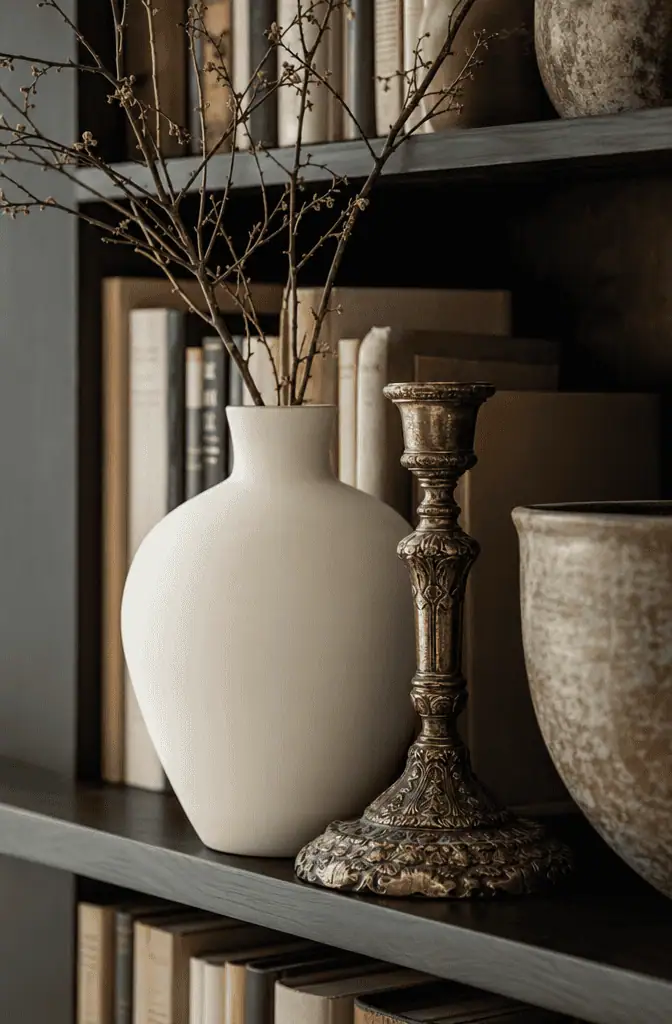
To put it bluntly, our goal is to avoid the catalog look. We don't want to look like we bought a matching bookshelf and decor set from a catalog and it got shipped to our house. Instead, we want a collected, authentic look that is more of a museum of our interests than it is a bookshelf. Mixing textures, eras, and materials will help you achieve this look.
I love mixing vintage and modern. When you incorporate vintage into anything, it is going to give a collected vibe because it really is something you have to search for, like a diamond in the rough. It's not perfectly presented to you for you to pick up, and hundreds of people might have picked up the exact same one on the exact same day.
5. Layer Art Behind the Books
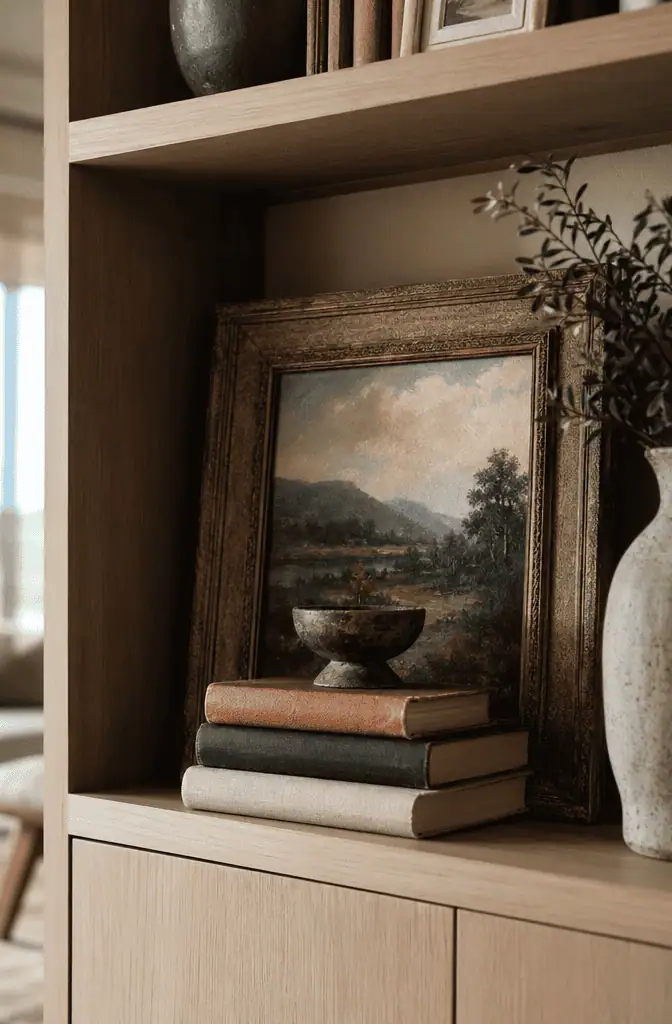
Layer, layer, layer! Bookshelves have depth, so take advantage of it. They're typically 10-16 inches deep, and most people only use about 2-3 inches of that space. This is a great area to lean a picture frame up against the back, and stack books or other decor in front. If it's books you've already read or don't need to access often, you could even put the art on top of a short stack of books.
Adding art to a bookcase gives you more to look at with fewer objects, and gives your eye a place to land and stay at for a bit.
6. Group by Color, But Loosely
You may have seen the "rainbow bookshelf" trend online pre-2020. If you haven't, it's the technique of organizing your books in ROYGBIV order, very precisely. It ended up drawing backlash for looking too staged, which is why we're suggesting a new take on the trend: organize by color, but loosely.
This means colors in the same tones, like blues, greens, and grays in one area and yellows, oranges, and reds grouped together in another area. This way, it feels cohesive without being rigid.
7. Introduce Organic Shapes
Books are rectangular. Sharp lines and right angles. To add contrast, consider incorporating organic shapes into your bookshelf. This could look like vases, bowls, or any round object. This could also mean plants, and I love the way vining plants look next to sharp edges.
It's something about the juxtaposition that makes it interesting. Just don't overwhelm the bookcase with organic shapes, since it's an accent piece. And don't forget to step back and see how it's all coming together as you go.